

Mo Bagicha: Kitchen Gardens Fighting Anaemia and Malnutrition
- Source Samvidhan News
- Sep 06, 2025
- Share:
Anita Bariha from Bargarh began her first pregnancy with a dangerously low haemoglobin level of 7.2. Poverty and long working hours left her malnourished, until her in-laws gave her land to grow vegetables. The garden improved her diet, provided income, and raised her haemoglobin to 11.1, enabling a safe delivery.
Her story highlights the role of kitchen gardens (Mo Bagicha) in combating anaemia and malnutrition. Once common, these gardens are vanishing due to migration and lifestyle changes, forcing families to rely on nutrient-poor market foods.
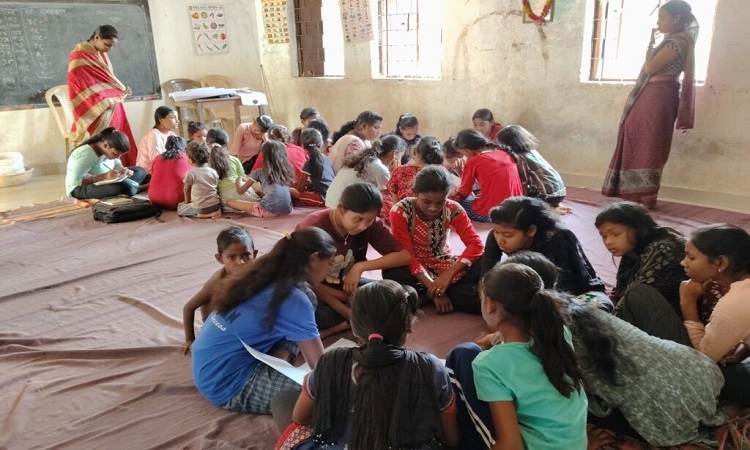
CRY’s initiatives, aligned with the state’s Poshan 2.0, show that community-led nutrition models can be transformative. In Balangir, 12-year-old Sarathi Nag overcame severe anaemia and shyness through Anganwadi sessions, later becoming a youth leader promoting health awareness.
Yet, NFHS-5 data paints a mixed picture: while IFA consumption rose by 24 percentage points, anaemia among pregnant women also increased by 14 points, proving supplements alone cannot break the intergenerational cycle of malnutrition.
Community programmes like Bal Bhojan in Paikmal offer hope. Families contribute kitchen garden produce to Anganwadis, where mothers prepare diverse, nutritious meals for children. Run entirely by the community, the initiative provides not just food, but dignity, culture, and social bonding.

Top Stories


Stay in Touch

Subscribe to our Newsletter